Why Your Diet Keeps Failing (And What AI Meal Planning Actually Fixes)
Most people don't fail diets because of willpower — they fail because of friction. Here's the science behind why planning matters, and how removing that friction changes everything.
Why Your Diet Keeps Failing (And What AI Meal Planning Actually Fixes)
You've tried it before. A new diet, a fresh start, good intentions. And then by Wednesday you're eating whatever's in the fridge because you forgot to plan lunch, you were tired, and the healthy option took 45 minutes to prepare.
This isn't a willpower problem. It's a friction problem.
The Real Reason Diets Fail
Behavioural research consistently shows that food decisions are rarely rational. A 2011 Cornell University study found that the average person makes over 200 food decisions per day — most of them unconscious.¹ When we're hungry, tired, or stressed, we default to whatever requires the least effort.
That's not weakness. That's cognitive load management — your brain conserving energy for higher-priority tasks. Fast food wins not because it tastes better, but because deciding to eat it costs nothing.
A related phenomenon is decision fatigue — the deterioration of decision quality after a long session of decision-making. Research published in the Proceedings of the National Academy of Sciences found that judges granted parole significantly more often early in the morning and less often as the day wore on.² The same mechanism affects your food choices: by 6pm, after a full day of decisions, your brain takes the path of least resistance.

What "Eating Well" Actually Requires
The nutritional science is fairly settled. A landmark review in The Lancet examining global dietary patterns found that the most consistent predictors of diet quality were variety, protein adequacy, and whole food density — not any specific named diet.³ What this means practically:
- Adequate protein — essential for satiety, muscle maintenance, and metabolic health. Most adults chronically undereat it
- Caloric awareness — not obsessive counting, but a working understanding of portions and energy balance
- Dietary variety — different colours, food groups, and preparation methods for micronutrient diversity
- Consistency over perfection — a diet you follow 80% of the time beats a perfect diet you abandon in two weeks
None of this is complicated in theory. The hard part is execution — turning those principles into actual meals, seven days a week, accounting for your preferences, your schedule, your cultural background, and what's realistically available to you.
Where AI Changes the Equation
The promise of AI meal planning isn't superior nutritional knowledge. It's the elimination of the decision-making burden entirely.
When you open BitePlan, you don't stare at a blank page wondering what to eat. You get a full week of meals — tailored to your dietary preferences, your language, your calorie targets — in seconds. Don't like something? Swap it. Plans changed? Regenerate. The cognitive load of "what do I eat today" disappears from your mental bandwidth entirely.
This matters more than people realise. Remove friction, and adherence improves dramatically. It's the same reason meal kit services saw explosive growth — not because people can't cook, but because the planning step was removed.
The HealthKit Factor
What separates a good meal plan from a great one is context. A plan that ignores your activity level is just a generic template dressed up with your name on it.
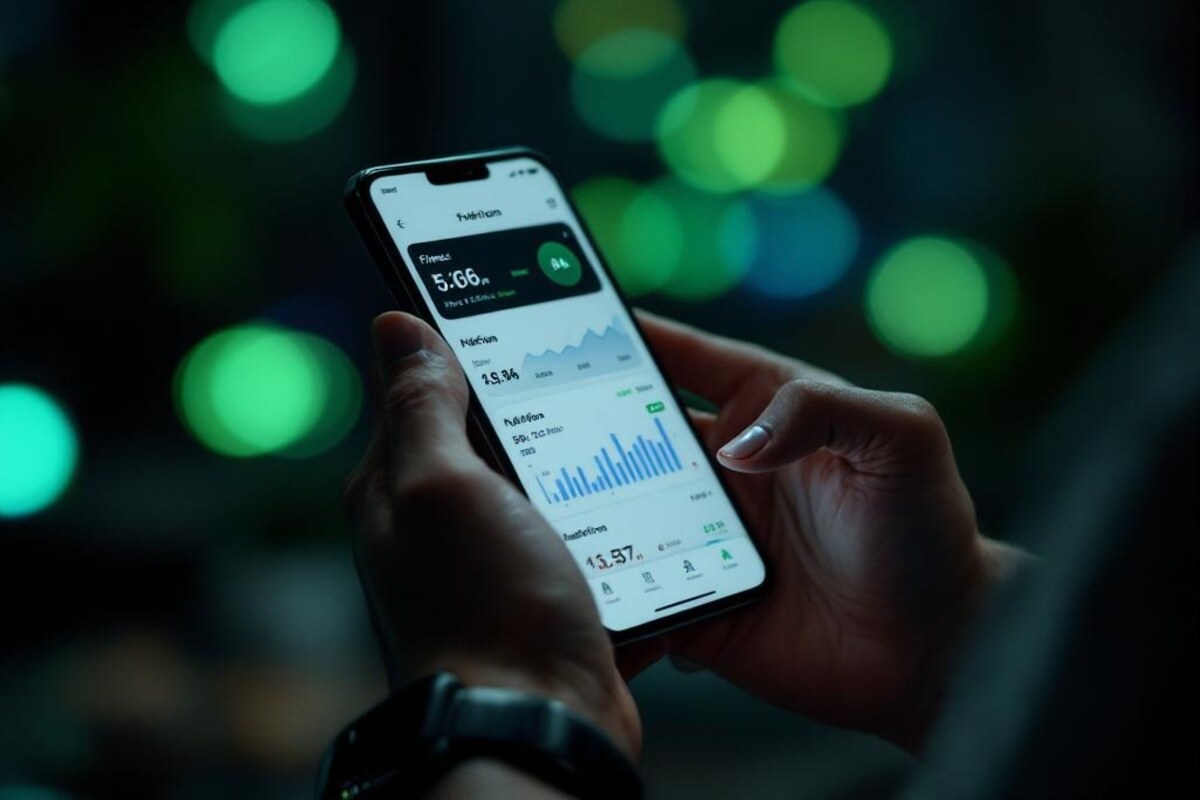
When BitePlan connects to Apple HealthKit, your actual workouts inform your meal plan. A day you ran 10km looks different from a rest day — and your nutrition should reflect that. The calories your body actually needs change based on what you've done, not what a statistical formula assumes.
A 2019 study in the Journal of the Academy of Nutrition and Dietetics found that personalised dietary recommendations — accounting for individual activity levels, metabolic rates, and food preferences — led to significantly better adherence outcomes than generic guidelines.⁴ HealthKit integration is the practical implementation of that research.
Practical Takeaways
You don't need to be perfect. You need to be consistent, and you need to make consistency easy.
- Plan once, eat better all week — the decision is made once on Sunday, not seven times a day
- Protein at every meal — the single highest-leverage nutritional habit for most people
- Scan before you buy — understanding what's in your food before it enters your home is more effective than willpower at the checkout
- Adjust, don't abandon — if a meal doesn't suit you, swap it. The goal is a plan you'll actually follow
The best diet is the one you stick to. The best way to stick to it is to make it effortless.
References
¹ Wansink, B. & Sobal, J. (2007). Mindless Eating: The 200 Daily Food Decisions We Overlook. Environment and Behavior, 39(1), 106–123.
² Danziger, S., Levav, J. & Avnaim-Pesso, L. (2011). Extraneous factors in judicial decisions. Proceedings of the National Academy of Sciences, 108(17), 6889–6892.
³ Willett, W. et al. (2019). Food in the Anthropocene: the EAT–Lancet Commission on healthy diets from sustainable food systems. The Lancet, 393(10170), 447–492.
⁴ Tay, J. et al. (2019). Personalised dietary advice improves adherence to healthy eating patterns. Journal of the Academy of Nutrition and Dietetics, 119(10), 1750–1765.
BitePlan generates personalised weekly meal plans in 9 languages, with Apple HealthKit integration, unlimited food scanning, and one-tap meal swaps.
— BitePlan Editorial, April 12, 2026
Share this article