What Your Favourite Stars Actually Eat (And How to Make It Work For You)
From Melissa McCarthy's 95-pound transformation to Jennifer Aniston's Mediterranean habits — we decode the celebrity diet playbook and show how you can actually use it.
What Your Favourite Stars Actually Eat (And Why You Can't Just Copy Them)
We're obsessed with celebrity transformations — and honestly, fair enough. When Melissa McCarthy walked the 2026 Academy Awards red carpet 95 pounds lighter, the internet wanted answers. When Jennifer Aniston casually mentions she doesn't eat until noon, everyone starts skipping breakfast. Celebrity diet culture is everywhere. But here's what the science actually says about why copying it rarely works — and what does.
🌿 What the Stars Are Actually Eating
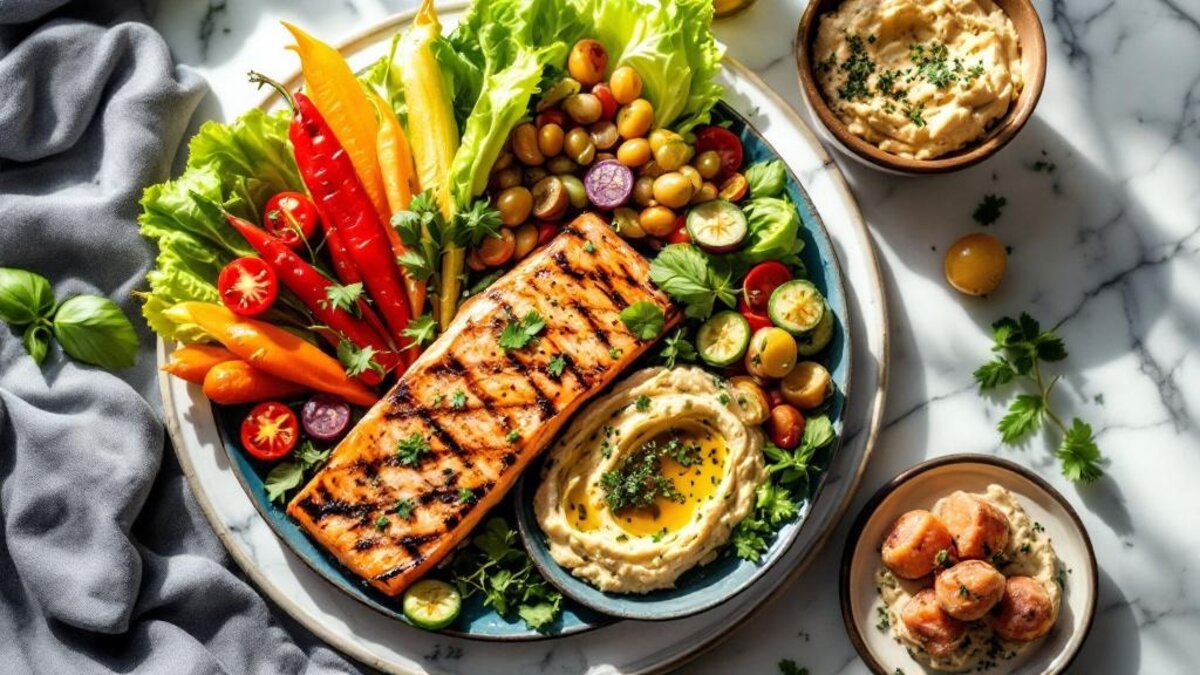
Despite what tabloids suggest, most celebrity diets aren't extreme. The common thread in 2026's biggest transformations is whole foods, high protein, and sustainable structure — not crash diets.
Melissa McCarthy's transformation wasn't built on a specific named diet. It came from consistent, medically-supervised nutrition focused on protein-forward meals and reducing ultra-processed food. No magic pill, no 10-day cleanse — just structure and time.
Jennifer Aniston has publicly credited intermittent fasting (eating in a roughly 8-hour window) and a Mediterranean-influenced diet — olive oil, fish, vegetables, legumes — for how she looks and feels. She's noted that she's more focused on what she eats than counting every calorie.
Zendaya keeps it simple: real food, home-cooked meals, and a love of food that doesn't involve guilt. The recurring theme across celebrity eating habits? Balance, not restriction.
🧬 Why You Can't Just Copy Their Diet — The Science
This is where it gets genuinely interesting. A landmark 2015 study published in Cell by researchers at the Weizmann Institute of Science (Zeevi et al.) monitored 800 people across 47,000 meals and found something that shook the nutrition world: people eating identical meals showed dramatically different blood sugar responses.
The same white bread spiked one person's glucose through the roof and barely moved another's. Sushi — typically considered "healthy" — caused severe glucose spikes in some participants. Tomatoes, widely regarded as a low-glycemic food, sent certain participants' blood sugar into a range typically seen in diabetics.
The researchers concluded that the glycemic index (GI) of any food is not a fixed number — it depends entirely on the individual [Zeevi D et al., Cell 2015; 163(5):1079-1094].
A 2019 review in Nature Reviews Microbiology (Kolodziejczyk, Zheng & Elinav) further confirmed that gut microbiome composition — which varies enormously between individuals — is the primary driver of these differences [Kolodziejczyk AA et al., Nat Rev Microbiol 2019; 17:742-753]. Your microbiome determines how you process specific carbohydrates, fats, and fibre. Jennifer Aniston's microbiome and yours are not the same.
This is not a minor footnote — it's the fundamental reason why celebrity diets, or any one-size-fits-all approach, statistically fail most people who try them.
📊 The 2026 Shift: Eating for Your Body, Not a Template
This research is why the most sophisticated approach to eating in 2026 isn't about following a named diet — it's about understanding your response to food. Celebrities with nutritionists and personal chefs are already getting this by default. Their plans are built around them.
AI-powered meal planning is the closest most people can get to this without a team. A good system doesn't hand you a generic "healthy" template — it builds around your goals, restrictions, activity level, and food preferences. Over time, it adjusts. That's the part that makes the difference between a plan you abandon in week two and one that actually sticks.
💡 BitePlan Tip: Fill in your dietary profile completely — goal (cut/bulk/maintain), activity level, dietary restrictions, and cuisine preferences. The more specific you are, the closer your plan is to the personalised approach that actually works. Generic gets generic results.
🍳 What You Can Actually Take From Celebrity Diets
Here's the honest part: celebrities have chefs, trainers, and schedules built around their eating habits. That's not replicable. But the principles are:
1. Structure without obsession — eating at roughly consistent times prevents the chaotic hunger that leads to bad decisions at 9pm
2. Protein first — every celebrity diet that works emphasises protein; it preserves muscle and keeps you full longer
3. Fewer ultra-processed foods — not zero, just fewer; this one change has the most evidence behind it
4. Consistency over perfection — McCarthy's transformation took sustained months, not weeks
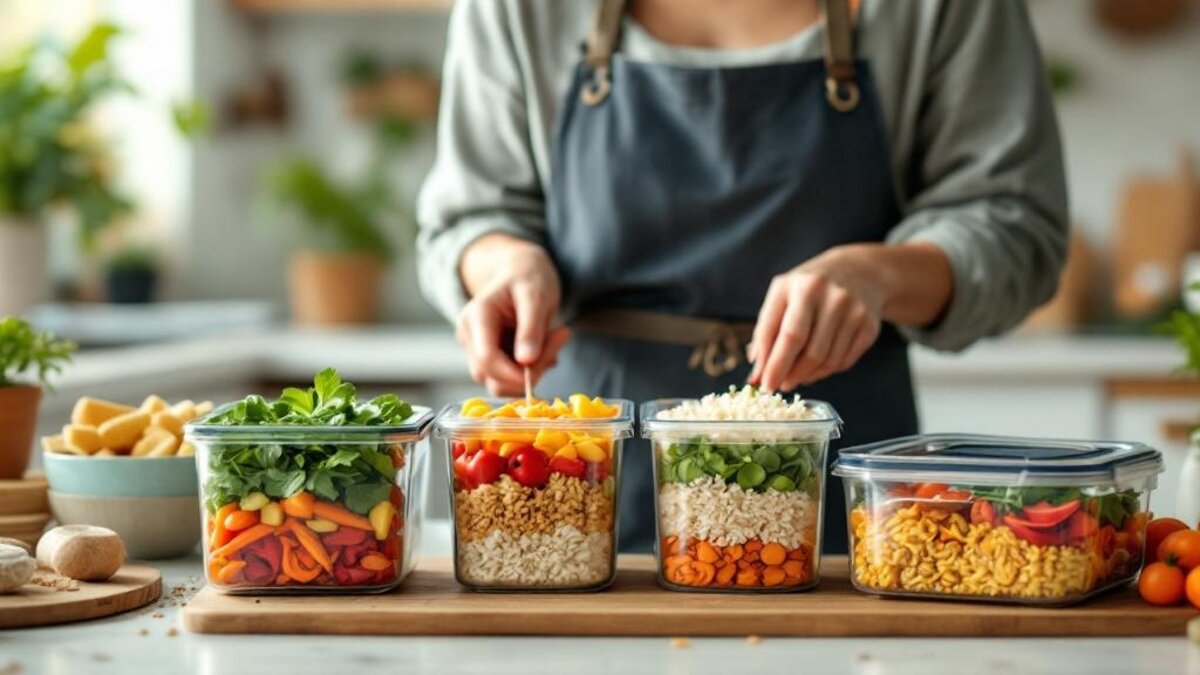
The meal prep habit is what makes this work in real life. Sunday afternoon producing five days of reasonably balanced meals puts you 80% of the way there — without a personal chef.
💡 BitePlan Tip: Use the weekly meal plan feature to batch your grocery list. Shopping once for a full week's meals is faster, cheaper, and means you're far less likely to reach for ultra-processed food at 8pm on a Wednesday when you're tired and there's nothing ready.
References:
¹ Zeevi D, Korem T, Zmora N, et al. Personalized Nutrition by Prediction of Glycemic Responses. Cell. 2015;163(5):1079-1094.
² Kolodziejczyk AA, Zheng D, Elinav E. Diet–microbiota interactions and personalized nutrition. Nat Rev Microbiol. 2019;17:742-753.
Eating well isn't about eating like a celebrity — it's about finding what works sustainably for your body specifically.
— BitePlan Editor
Share this article